logo
Shenzhen First Tech Co., Ltd.
เกี่ยวกับเรา

Shenzhen First Tech Co., Ltd.

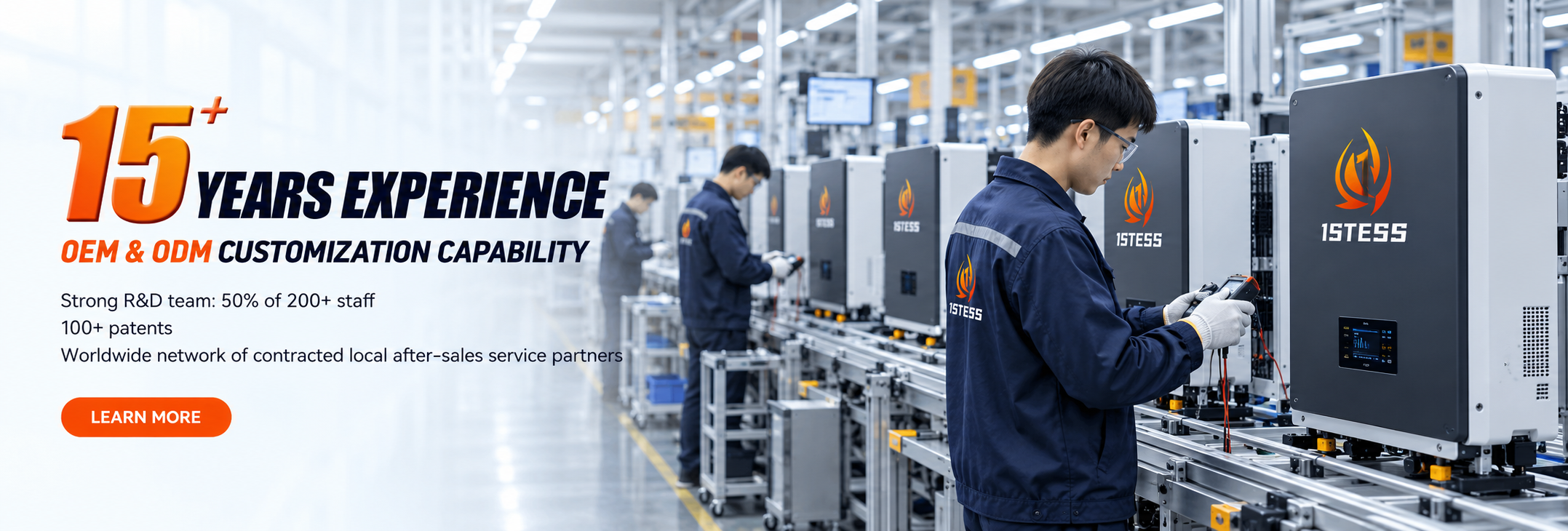
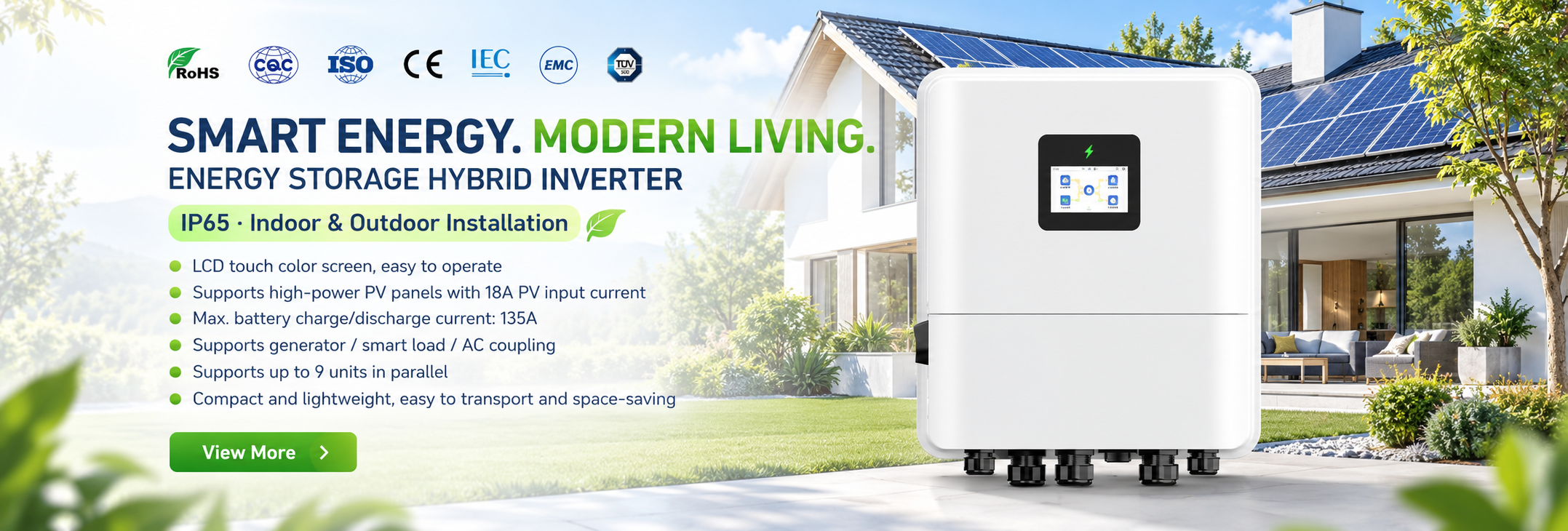
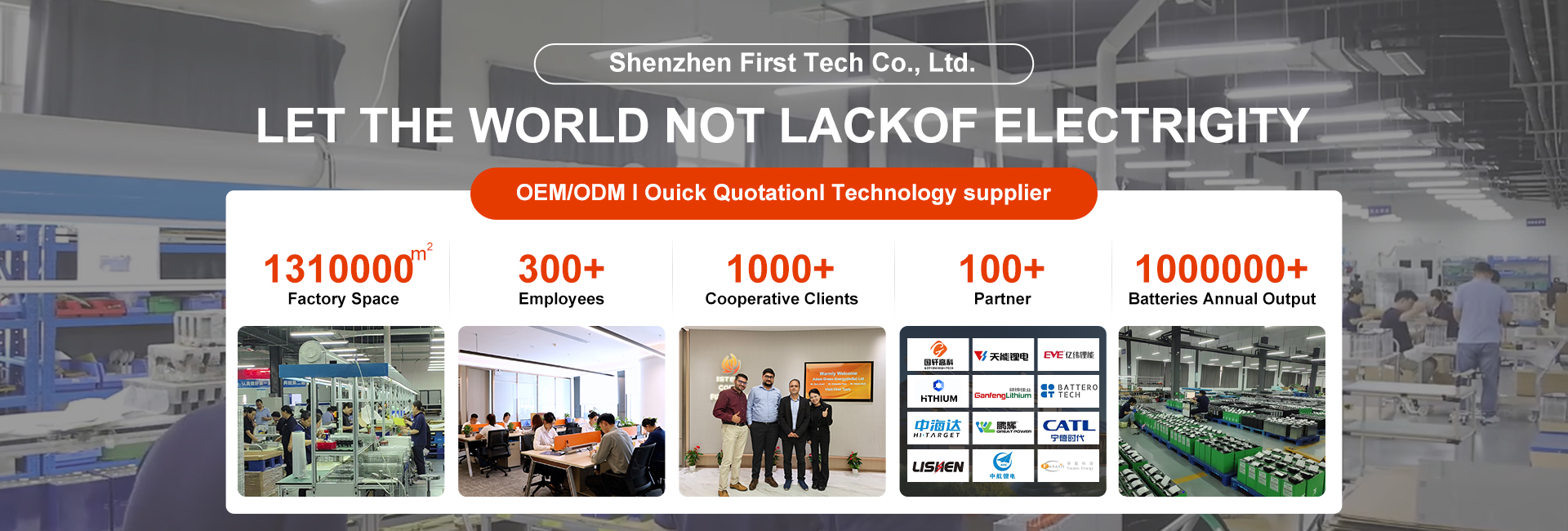
Shenzhen First Tech Co., Ltd ก่อตั้งขึ้นในปี 2017 ซึ่งเป็นผู้ให้บริการโซลูชันแบบครบวงจรสำหรับระบบกักเก็บพลังงานแสงอาทิตย์และแบตเตอรี่ First Tech มีส่วนร่วมในการวิจัย พัฒนา ผลิต ขาย และให้บริการระบบกักเก็บพลังงานเชิงพาณิชย์และอุตสาหกรรม ระบบกักเก็บพลังงานภายในบ้าน ชุดแบตเตอรี่ลิเธียมไอออน อินเวอร์เตอร์ไฮบริดพลังงานแสงอาทิตย์ ตัวเพิ่มประสิทธิภาพพลังงานแสงอาทิตย์ ฯลฯFirst Tech ตั้งอยู่ในเมืองเซินเจิ้น มณฑลกวางตุ้ง ประเทศจีน โรงงานได้ผ่านการรับรองระบบการจัดการ lS09001,1S014001,1S045001 และผลิตภัณฑ์ไ...
ดูเพิ่มเติม

2017

ปีที่ตั้ง

16000000 +

การขายรายปี

150 +

พนักงาน

ผลิตภัณฑ์ชั้นนํา
ข่าว
Powering Korea’s Green Future: Next-Generation Integrated Energy Storage Solutions Arrive for Homes and Businesses
2026-07-15
SEOUL — July 15, 2026 As South Korea accelerates its transition toward a renewable energy-dominant grid, a new wave of integrated outdoor battery energy storage solutions is set to transform how households and commercial enterprises manage their electricity consumption. Industry experts and early adopters gathered today at the COEX Convention Center in Seoul to explore the latest advancements in energy storage technology — innovations that promise to lower electricity bills, enhance grid stability, and bring South Korea closer to its ambitious 2030 renewable energy targets. A Market Poised for Explosive Growth South Korea’s energy storage system (ESS) market is undergoing a structural reset. According to industry estimates, the country’s advanced energy storage market is projected to deploy 3.5 to 5.0 GW of power capacity and 8 to 12 GWh of energy capacity in 2026 alone, translating to a market value of USD 2.5 to 3.8 billion. The residential segment is also gaining remarkable momentum, with annual installations estimated between 80,000 and 110,000 units, valued at approximately USD 450 to 550 million. This growth is fueled by aggressive government policies. The Ministry of Climate, Energy and Environment recently signed a memorandum of understanding with nine selected companies — including LG Energy Solution, SK Eternics, and Korea Electric Power Corporation KDN — for the ‘2026 AI-based ESS Construction Support Project’. The initiative aims to add 182.4 megawatts of solar power facilities to the grid by building ESS with a maximum output of 128 megawatts and 640 MWh of storage capacity across 32 distribution lines nationwide. A budget of 558.6 billion won has been allocated over the next five years. Meeting Korea’s Unique Geographic and Economic Needs South Korea’s mountainous terrain and extensive coastline present both opportunities and challenges for renewable energy integration. Regions like Honam and Jeju, where renewable energy capacity is already saturated, face significant grid congestion. The new integrated storage solutions address these challenges head-on with flexible configurations that support on-grid, off-grid, and PV-coupled operations. For households in Seoul’s densely populated apartment complexes, the systems enable balcony-PV integration — allowing residents to store solar energy generated during the day for use after sunset, effectively reducing peak-hour electricity consumption. For businesses in industrial parks across Chungcheongnam-do, where the provincial government has launched subsidy programs for solar and ESS installations, these solutions offer a pathway to lower operational costs and accelerate RE100 commitments. Cutting Electricity Costs Through Peak Shaving With South Korea’s time-of-use electricity pricing, peak-hour rates can be significantly higher than off-peak rates. For residential consumers whose monthly electricity consumption exceeds 1,000 kilowatt-hours, the usage charge during peak summer and winter months reaches 709.4 won per kilowatt-hour. Energy storage systems allow users to charge batteries during low-cost nighttime hours and discharge during expensive peak periods — a practice known as peak shaving that can dramatically reduce monthly electricity bills. “The economics are compelling,” said a senior energy analyst who spoke at today’s event. “With rising retail electricity rates and growing concerns over grid instability, both homeowners and business operators are looking for solutions that give them control over their energy costs. These integrated storage systems deliver exactly that.” Safety and Reliability: A Top Priority Following past ESS fire incidents, South Korean authorities have significantly tightened safety regulations. The revised evaluation framework now places increased emphasis on KC Safety certification, particularly regarding fire protection standards for lithium-ion battery systems. The new generation of storage cabinets addresses these concerns with FM200 automatic fire extinguishing systems (with Novec1230 or aerosol options available), robust IP-rated outdoor protection, and advanced thermal management combining air conditioning and forced air cooling — ensuring reliable operation even in Korea’s extreme seasonal temperatures ranging from -20°C to 50°C. Battery cells are certified to IEC 62619, UL1973, and UL9540A, while the power conversion system meets G99, EN50549, AS4777.2, and VDE4105 standards — providing the highest levels of safety and compliance for the Korean market. Flexible Configurations for Every Need The integrated storage cabinets support a wide range of applications: On-grid + PV: EMS-controlled charging and discharging for peak shaving, reducing electricity bills while maximizing solar self-consumption. On-grid + Off-grid + PV: Seamless switching within 20 milliseconds during power outages, ensuring uninterrupted power supply to critical back-end loads. On-grid + PV + Charging Stations: Intelligent coordination between photovoltaic, energy storage, utility, and DC charging piles — ideal for the growing electric vehicle infrastructure across Korea. Flexible Expansion: Support for up to three battery cabinets in parallel, with on-grid parallel connections virtually unlimited — allowing systems to scale from 46 kWh to over 207 kWh as energy needs grow. A Vision for Energy Independence As South Korea aims to raise renewable power generation to 21.9% of total electricity by 2030 — up from roughly 9% today — the role of energy storage becomes increasingly critical. With global ESS demand forecast to grow from 312 GWh in 2024 to 847 GWh in 2028, South Korea’s battery industry is pivoting aggressively toward storage solutions. For residents of Jeju Island, where renewable energy is targeted to reach over 70% by 2035, these storage systems represent more than just cost savings — they are essential infrastructure for energy independence. For small business owners in Busan’s industrial zones, they offer protection against rising electricity costs and supply interruptions. For farmers in rural Gyeongsangbuk-do, they enable reliable power for agricultural operations while reducing dependence on the grid. “This is about empowering people,” the analyst added. “Whether you’re a homeowner in a high-rise apartment or a factory manager in an industrial complex, having control over when and how you use electricity is no longer a luxury — it’s a necessity.” Looking Ahead With the government’s long-term bidding plan targeting 55 GW of offshore wind by 2035 and ongoing investments of KRW 321 billion in distributed grid modernization, the demand for reliable, safe, and scalable energy storage solutions will only intensify. The integrated outdoor battery energy storage cabinets arriving in the Korean market today represent a significant step toward a more resilient, sustainable, and affordable energy future for all.
อ่านต่อ
Latest company news about Powering Korea’s Green Future: Next-Generation Integrated Energy Storage Solutions Arrive for Homes and Businesses
Yemen’s Blackout Blues End with a 5kWh Wall‑Mounted Lifeline – Sana’a Families Ditch Diesel for Clean, Quiet Power
2026-07-14
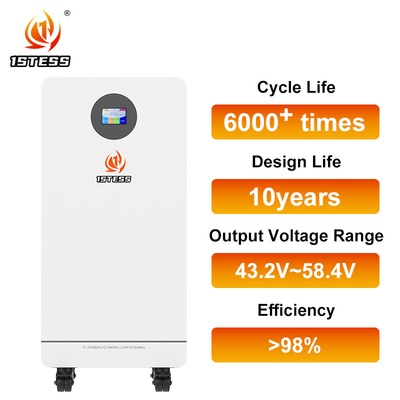
SANA’A, Yemen — July 14, 2026 For Umm Ahmed, a mother of five living in the crowded Al‑Hasaba district of Sana’a, the daily ritual is exhausting: at sunrise, she checks the fuel can for the generator; by mid‑morning, she prays the grid will hold for at least an hour to run the water pump; and every evening, she listens to the deafening roar of neighbourhood generators as her children try to study by flickering LED lights. “We have not had a full 24 hours of grid electricity in over three years,” she says. “The generator costs us nearly 15,000 Yemeni riyals per day in fuel, and that is if we can find diesel at all.” Today, Umm Ahmed stands in front of a sleek, wall‑mounted unit no larger than a suitcase — a 5.12kWh lithium‑iron‑phosphate battery that she believes will finally break her family’s dependence on expensive, polluting generators. The new residential storage system is arriving in Yemen at a critical moment, as the war‑torn nation struggles with a collapsed power grid, soaring fuel prices, and some of the harshest climatic conditions on the Arabian Peninsula. A Nation in the Dark Yemen’s electricity infrastructure has been devastated by nearly a decade of conflict. According to the World Bank, average grid availability across major cities has dropped to less than 6 hours per day, with many rural areas receiving no grid power at all. The Public Electricity Corporation recently warned that frequent attacks on transmission lines and fuel shortages at power plants could further reduce supply through the summer months. Compounding the crisis is Yemen’s extreme desert climate. Summer temperatures regularly exceed 42°C in Sana’a and can reach 50°C in coastal Aden, with relentless dust storms and relative humidity that plunges below 10% during the day. Conventional lead‑acid batteries, which many households have tried, fail within months under such conditions — their electrolytes evaporate and plates corrode. The new lithium battery, however, is engineered to operate across a discharging temperature range of -20°C to 60°C and humidity up to 95%, making it resilient against Yemen’s punishing heat and arid winds. Power for the Essentials – and a Path to Solar With 5.12 kilowatt‑hours of stored energy, the compact battery can keep a household’s critical appliances running for 8 to 10 hours during a blackout: a refrigerator, two ceiling fans, a television, mobile phone chargers, and several LED lights. For families with rooftop solar panels — which have proliferated across Yemen thanks to falling panel prices and small‑scale NGO programmes — the battery stores daytime solar power for evening use, slashing or even eliminating generator fuel costs. “The economics are transforming,” explains Abdulrahman Al‑Wahishi, an energy advisor based in Aden who has worked with local communities on off‑grid solutions. “A typical Yemeni family spends between 400,000 and 600,000 riyals per month on diesel for generators — that is more than 60% of the average monthly income in many areas. This battery, with its 6,000‑cycle lifespan — over 10 years of daily use — can pay for itself within two years when paired with solar panels. And the wall‑mounted design saves precious floor space in Yemen’s compact urban homes, where every square metre counts.” Simple, Safe, and Silent The battery’s touch‑screen interface provides clear, real‑time information on remaining power, charging status, and system health — all in Arabic or English. Its built‑in protections against overcharging, over‑discharging, and short circuits ensure safe operation, while its efficiency exceeds 98%, meaning almost no energy is wasted. Weighing just 48 kilograms and measuring 650 by 384 by 142 millimetres, the unit can be mounted on an interior wall, out of reach of children and away from the dust that plagues floor‑level equipment. Installation is straightforward, requiring only a compatible inverter — which many solar households already own — and a standard wall mount. The system is also compatible with grid‑charging, allowing families to store power during the rare hours when the grid is active and use it when the grid fails. A Glimmer of Hope Amidst Crisis The United Nations and various humanitarian agencies have promoted solar‑plus‑storage as a lifeline for Yemen’s health clinics, schools, and water facilities. Now, residential solutions are reaching the household level. “For years, we told families to buy solar panels, but without storage, they couldn’t use that power at night,” says Al‑Wahishi. “This battery closes that gap. It turns sunlight into a round‑the‑clock resource.” For Umm Ahmed, the decision was emotional as much as financial. “My children can finally do their homework in silence. I can keep medicine in the fridge without worrying about spoilage. And I no longer have to breathe diesel fumes or send my husband on dangerous trips to black‑market fuel stations,” she says, her eyes bright with relief. “This is not just a battery — it is a return to normal life.” As Yemen endures another brutal summer of heat and darkness, the 5kWh wall‑mounted system offers a tangible, affordable, and durable answer to a problem that has plagued the nation for too long — proving that even in the toughest environments, clean, reliable energy is within reach.
อ่านต่อ
Latest company news about Yemen’s Blackout Blues End with a 5kWh Wall‑Mounted Lifeline – Sana’a Families Ditch Diesel for Clean, Quiet Power
Iraq's Power Cuts Meet Their Match: Wall‑Mounted 10kWh Battery Brings Day‑Long Backup to Baghdad Homes
2026-07-14
BAGHDAD, Iraq — July 14, 2026 For the past four sweltering summers, Abu Hassan and his family have endured daily blackouts that leave their three‑bedroom home in central Baghdad without air conditioning for up to eight hours at a time. “When the grid goes down, the temperature inside reaches nearly 45°C. My children cannot sleep, my wife worries about food spoiling, and we are forced to run a noisy diesel generator that costs us more than 150,000 Iraqi dinars every week just for fuel,” he said. Today, Abu Hassan stands beside a sleek, wall‑mounted unit no larger than a flat‑screen television — a device he believes will finally end his family’s decades‑long struggle with unreliable power. The new 51.2V 200Ah (10.24kWh) lithium‑iron‑phosphate battery system, designed specifically for residential use, is rapidly drawing interest across Iraq as households seek affordable, clean alternatives to the country’s failing electricity network. A Crisis Decades in the Making Iraq’s electricity grid has suffered from chronic underinvestment, sabotage, and soaring demand for decades. Despite producing nearly 5 million barrels of oil per day, the nation still imports electricity from neighbouring countries and frequently fails to meet peak summer demand, which exceeds 35 gigawatts against a generation capacity of barely 24 gigawatts. The Ministry of Electricity recently announced that rolling blackouts would continue through at least September, with some provinces experiencing outages of 10 to 12 hours daily. The situation is exacerbated by Iraq’s extreme climate: summer temperatures regularly exceed 48°C in Baghdad, with relative humidity often below 20 per cent during the day but spiking at night. Such conditions place enormous stress on conventional lead‑acid batteries, which degrade rapidly in heat. The new wall‑mounted lithium battery, however, is engineered to operate reliably across a discharge temperature range of -20°C to 60°C and humidity up to 95 per cent — making it well‑suited for Iraqi homes, whether in the scorched southern plains or the cooler northern highlands. A Practical Answer to Daily Frustrations With 10.24 kilowatt‑hours of stored energy, the battery can keep essential appliances — a refrigerator, two ceiling fans, a television, and LED lighting — running for over 12 hours during a blackout. For households with rooftop solar panels, which have grown increasingly popular in Iraq thanks to government subsidies and falling panel prices, the battery stores daytime solar power for evening use, reducing reliance on diesel generators and the grid alike. “The average Iraqi family spends between 200,000 and 400,000 IQD per month on generator fuel and maintenance, not to mention the constant noise and fumes,” said Dr. Layla Al‑Rashid, an energy policy analyst based in Erbil. “A system like this, with a cycle life exceeding 6,000 charges — that is more than 10 years of daily use — can pay for itself within three to four years, even when paired with solar panels. And the wall‑mounted design is a major advantage in Iraq’s tight urban homes, where floor space is precious.” Built for Simplicity and Safety The battery’s touch‑screen interface provides homeowners with clear, real‑time information on remaining capacity and performance. Its built‑in protection against overcharging and over‑discharging, along with an efficiency rating above 98 per cent, ensures that every kilowatt‑hour stored is put to productive use. Weighing 86 kilograms and measuring just 680 by 412 by 231 millimetres, the unit can be installed on an interior wall, out of the way of foot traffic and children. Installation is straightforward, and the system is compatible with most residential inverters, offering flexibility for both new solar adopters and those retrofitting existing generator‑based setups. A Glimmer of Hope for the Future The Iraqi government has set a target of generating 20 per cent of its electricity from renewable sources by 2030, backed by international funding and private investment. However, without storage, solar and wind remain intermittent. “Batteries are the missing piece of the puzzle,” Dr. Al‑Rashid added. “For Iraq to truly stabilise its power sector, we need millions of homes to store their own energy. This product offers a tangible, affordable first step.” For Abu Hassan, the decision was practical. “I calculated the cost of fuel for three more years versus this battery. The numbers are clear. No more waking up to a dead refrigerator, no more breathing exhaust fumes, no more shouting over the generator’s roar. I can finally enjoy a quiet, cool night — and that is priceless.” As Iraq enters another brutal summer, the wall‑mounted battery system is arriving not a moment too soon, promising not just electricity, but dignity, safety, and a measure of control for millions of families who have waited far too long.
อ่านต่อ
Latest company news about Iraq's Power Cuts Meet Their Match: Wall‑Mounted 10kWh Battery Brings Day‑Long Backup to Baghdad Homes
Singapore Homes Fight Back Against Record-High Electricity Bills with 15kWh Mobile Battery System
2026-07-14
SINGAPORE — July 14, 2026 As Singapore households brace for a 17 per cent spike in electricity tariffs this quarter — the highest on record since 2008 — a new wheel-mounted home battery system is arriving just in time to help families take control of their energy costs. With the regulated electricity tariff climbing to 31.91 cents per kilowatt-hour (before GST) from July to September, the average four-room HDB household now faces an additional S$17.14 on their monthly electricity bill. The Energy Market Authority has warned of "further and potentially sharper increases" later in 2026 as the Middle East conflict continues to pressure global fuel prices. Against this backdrop of rising costs and growing energy uncertainty, the new 51.2V 300Ah (15.36kWh) wheeled battery storage system offers Singapore homeowners a practical path toward energy independence. Designed for Singapore's Unique Climate Singapore's tropical climate — with year-round temperatures averaging 28°C, daytime highs exceeding 35°C, and relative humidity ranging between 70 and 90 per cent — places extraordinary demands on electronic equipment. The battery system is engineered to operate reliably in these challenging conditions, with a discharging temperature range of -20°C to 60°C and humidity tolerance up to 95 per cent relative humidity. "We live in one of the hottest and most humid environments on earth," said a residential energy consultant familiar with the product. "Any home battery system in Singapore must withstand not just the heat, but the persistent moisture that can degrade lesser equipment. This system is built for our climate." Power When You Need It Most The system delivers 15.36kWh of stored energy — enough to power essential household appliances through the night or during unexpected outages. With a maximum charging and discharging current of 150A and an efficiency rating exceeding 98 per cent, the battery provides reliable backup while minimising energy loss. Recent incidents have underscored Singapore's vulnerability to power disruptions. In March, a coffee shop fire plunged a Queen Street HDB block into darkness for more than a day. In May, another fire in Hougang disrupted power to businesses and services, with five people taken to hospital. Even the Singapore Exchange experienced a trading disruption in June caused by a power supply fluctuation. For households with solar panels — and Singapore recently raised its 2030 solar deployment target to 3GWp after hitting its 2GWp goal ahead of schedule — the battery system stores excess solar energy generated during the day for use at night, maximising the return on solar investments. Built for Convenience and Safety Unlike permanently installed systems, the wheeled design allows homeowners to move the unit as needed — whether repositioning within the home or transporting it between properties. The system features built-in safeguards against overcharging and over-discharging, with a touch-screen interface for real-time monitoring and control. With a cycle life exceeding 6,000 cycles at 0.2C and 80 per cent depth of discharge — equivalent to more than 10 years of daily use — the battery represents a long-term solution to Singapore's rising energy costs. A Growing Movement The product launch comes as home battery storage gains momentum across Singapore. Industry analysts note that with electricity tariffs at record highs and solar adoption accelerating, battery storage is no longer a luxury but a practical investment for households seeking to shield themselves from volatile energy prices. "Singapore's grid reliability is world-class at 99.99 per cent plus, but reliability doesn't protect you from rising prices," the consultant added. "A home battery lets you store cheap energy and use it when tariffs are high. With rates at 31.91 cents per kWh and climbing, the math has never been more compelling." For Singapore families tired of watching their utility bills climb month after month, the wheeled 15.36kWh battery system offers a tangible way to take back control — one kilowatt-hour at a time.
อ่านต่อ
Latest company news about Singapore Homes Fight Back Against Record-High Electricity Bills with 15kWh Mobile Battery System
สินค้าแนะนำ
สินค้าเพิ่มเติม
พวก เขา พูด อะไร
ซาร่า วิลสัน
ซาร่า วิลสัน
โซลูชั่นในการเก็บพลังงานจาก First Tech ได้เปลี่ยนเกมสําหรับธุรกิจของเรา มันได้ให้พลังงานสํารองที่น่าเชื่อถือและช่วยให้เราลดต้นทุนพลังงานของเราได้อย่างสําคัญ"
โซลูชั่นในการเก็บพลังงานจาก First Tech ได้เปลี่ยนเกมสําหรับธุรกิจของเรา มันได้ให้พลังงานสํารองที่น่าเชื่อถือและช่วยให้เราลดต้นทุนพลังงานของเราได้อย่างสําคัญ
ซามันธา ปาเทล
ซามันธา ปาเทล
ระบบเก็บพลังงานของFirst Tech เกินความคาดหวังของเรา มันใช้งานง่าย ต้องรักษาอย่างน้อย และพิสูจน์ว่าเป็นทรัพย์สินที่มีค่าในการรับรอง
เดวิด
เดวิด
พนักงานที่บริษัทเชนเจน แฟสต์เทค จํากัด มีความรู้สูง และพร้อมที่จะช่วยทุกคําถามพวก เขา ใช้ เวลา เข้าใจ ความ ต้องการ ของ ผม และ ให้ คํา ตอบ ตาม ความ ต้องการ ของ ผม ที่ เกิน ความ คาด หมาย ของ ผมความสนใจในรายละเอียดและความมุ่งมั่นในคุณภาพ ที่ทําให้พวกเขาแตกต่างจากบริษัทอื่นๆในอุตสาหกรรม
ส่งข้อสอบ
กรุณาส่งคําขอของคุณมาให้เรา และเราจะตอบคุณในเร็วที่สุด
ส่ง